Recovery Is Part of the Workout: Why Rest May Be the Missing Piece in Your Fitness Routine
Recovery Is Part of the Workout: Why Rest May Be the Missing Piece in Your Fitness Routine
We tend to think of a good workout as the part where we sweat, push harder, lift heavier, run farther, or squeeze in just one more set. But what happens after the workout may be just as important as what happens during it.
Recovery isn't taking a break from your fitness routine. It is part of the routine.
Exercise places stress on the body. That's a good thing when the body has enough time and resources to adapt to that stress. During recovery, the body gets to work repairing and rebuilding, replenishing energy stores, and adapting to the demands you've placed on it. Without enough recovery, constantly adding more training isn't necessarily going to produce better results.
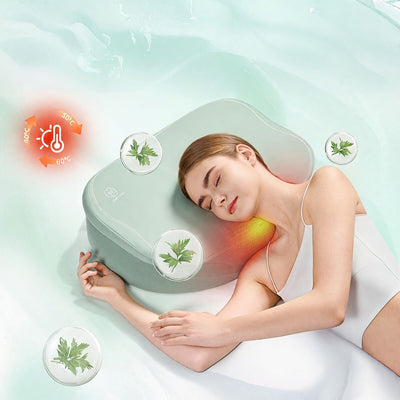
And one of the most important recovery tools is also one of the simplest: sleep.
Research has consistently linked adequate sleep with physical and cognitive recovery. A systematic review of sleep interventions in athletes found that sleep extension and naps were among the strategies with evidence for improving subsequent performance. Another review found that sleep extension may benefit athletic performance, although researchers noted that the overall evidence is limited and varies in quality.
In other words, skipping sleep to squeeze in another workout may not be the fitness hack we think it is.
Recovery also doesn't necessarily mean doing absolutely nothing. Depending on your training and how your body feels, recovery can include lighter movement, hydration, nutrition, stretching, mobility work, and giving specific muscle groups time away from intense training.
And that's where the world of recovery-focused wellness has really expanded. Cold plunges, saunas, hot tubs, massage, red light therapy, and other recovery tools are increasingly becoming part of the at-home fitness conversation. The goal isn't necessarily to find one magic recovery tool. It's about creating a routine that gives your body opportunities to slow down, reset, and recover between workouts.
The science behind these tools varies, so it's important to separate established benefits from emerging research. For example, cold-water immersion has been studied for its effects on post-exercise recovery, while heat exposure, including sauna use, has also been the subject of research looking at cardiovascular and other health effects. Red and near-infrared light, known as photobiomodulation, is another area of growing research.
It’s a great reminder that recovery doesn't have to be complicated, or involve every new wellness trend.
Sometimes the best recovery strategy is getting enough sleep. Sometimes it's taking a rest day instead of forcing another workout. Sometimes it's a walk instead of a hard run, a stretch instead of another strength session, or relaxing in a hot tub after a long day.
The goal isn't to do more. It's to get more out of what you're already doing.
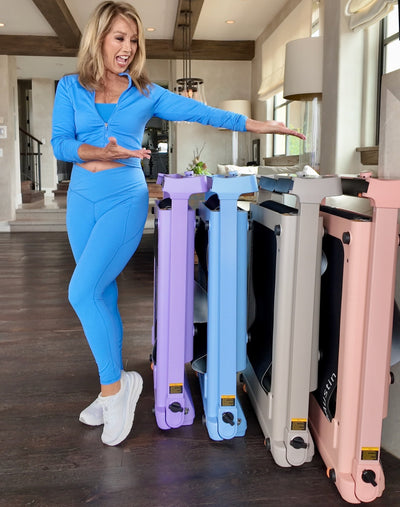
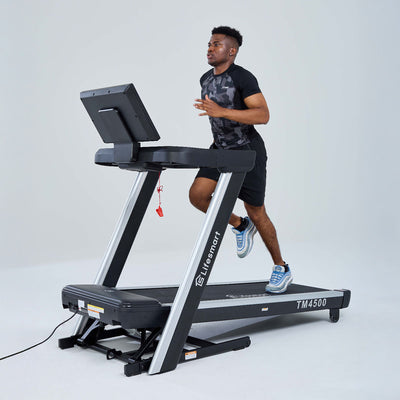
That philosophy is also behind the growing selection of fitness and recovery products from SCS, available together at MakeLifeEasy.com. From treadmills, bikes, rowers, strength equipment, and other at-home workout essentials to cold plunges, saunas, hot tubs, massage products, and red-light therapy, the idea is to make it easier to create a complete fitness and recovery routine at home.
Instead of thinking of the workout and recovery as two separate things, think of them as two parts of the same cycle:
Challenge. Recover. Adapt. Repeat.
Because the workout may be where you put in the work, but recovery is where you give your body the opportunity to respond to it.